
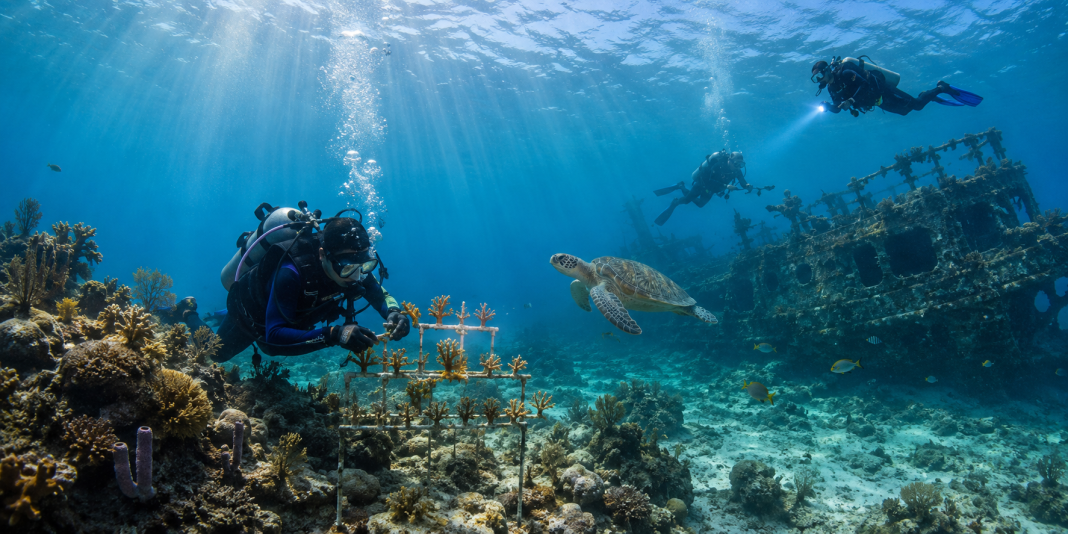
Barbados is preparing to place its underwater attractions and marine conservation work in the spotlight when Dive Fest Barbados returns from August 16–22.
The week-long programme invites residents and visitors to experience the island’s dive sites through activities expected to include shipwreck exploration, sea-turtle encounters, coral restoration, lionfish hunts and underwater photography.
The festival shows how a Caribbean attraction can become more than a sightseeing product. By connecting recreation with education and conservation, Barbados is presenting marine tourism as an experience that can help protect the natural resources on which it depends.
An Island Beneath the Surface
Barbados is widely known for beaches and coastal culture, but much of its tourism potential lies below the water. Reefs, marine life and shipwrecks offer different experiences for certified divers, beginners, snorkelers, photographers and families.
Organized dive activity can spread visitor spending beyond hotels and traditional attractions. Dive centers employ instructors, boat captains, equipment technicians and administrative staff. Guests also use transportation, restaurants, accommodation and other local services.
A themed week gives these operators an opportunity to collaborate, attract new customers and introduce more travelers to responsible diving practices.
Conservation as Part of the Experience
Coral reefs help protect shorelines, support fisheries and provide habitat for marine species. They are also vulnerable to warming seas, pollution, physical damage and other pressures.
Coral-restoration activities can help visitors understand those challenges while contributing to carefully managed projects. The strongest programmes place trained professionals at the center and avoid creating the impression that brief volunteer activity can replace long-term scientific work.
Lionfish hunts address a different concern. Lionfish are invasive in the Caribbean and can place pressure on native reef species. Controlled removals by trained divers can support reef management, while chefs and restaurants may help create demand for lionfish as a food product.
Shipwrecks, Turtles and Storytelling
Barbados’ wreck-diving opportunities combine marine life with history. Wrecks can become artificial habitats and create compelling sites for underwater exploration when access is managed safely.
Sea-turtle encounters are equally popular, but operators must ensure that boats and visitors do not crowd, chase or feed wildlife. Clear guidance helps protect the animals while giving guests a better and more respectful experience.
Underwater photography can extend the festival’s reach well beyond the island. Images of reefs and marine species can inspire travel, but they can also document environmental change and support public education.
Building a Stronger Marine Tourism Product
Dive Fest can help Barbados reach travelers who are interested in adventure, nature and conservation. These visitors may stay longer, travel outside traditional peak periods and spend with specialized local businesses.
The festival also offers a chance to encourage Barbadians—especially young people—to explore marine careers. Diving can connect to tourism, biology, photography, boating, conservation, emergency response and equipment maintenance.
Long-term success will require healthy reefs, strong safety standards, qualified operators and consistent environmental monitoring. Marketing alone cannot sustain a marine attraction if the ecosystem deteriorates.
Dive Fest Barbados demonstrates a promising direction for Caribbean tourism: experiences that are enjoyable, educational and connected to the protection of place. If visitors leave with memorable dives and a deeper respect for the sea, the festival will have achieved something far more valuable than a busy week on the water.