

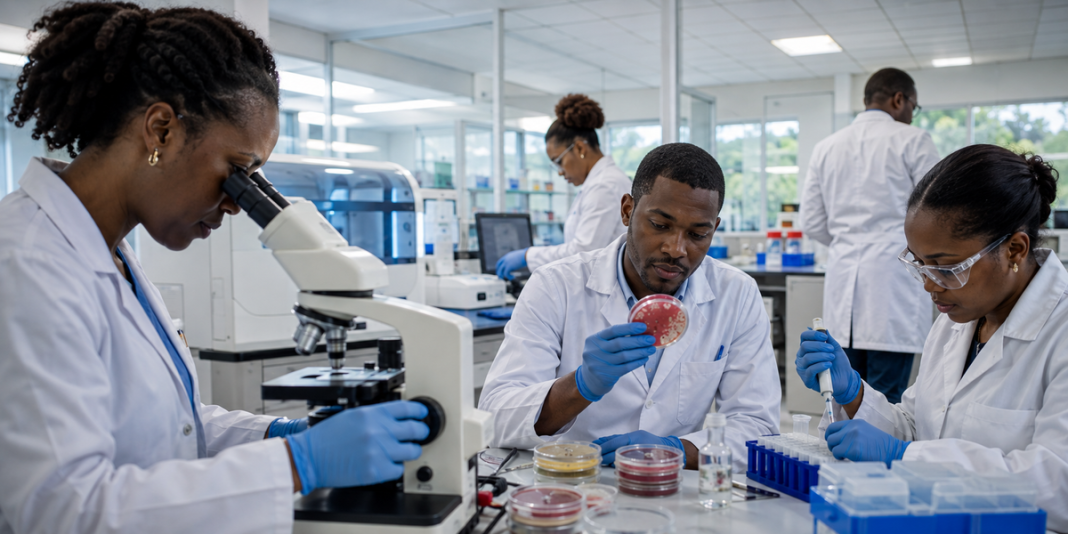
The Caribbean has taken an important step toward stronger health security with the launch of an antimicrobial resistance regional reference laboratory in Jamaica, completing a wider laboratory network designed to help countries identify and respond to drug-resistant infections.
The Caribbean Public Health Agency officially launched the facility in Kingston in late July. Its role is particularly significant because antimicrobial resistance can make common infections harder and more expensive to treat, prolong illness and increase pressure on hospitals and national health budgets.
A Regional Challenge Requiring Shared Capacity
Antimicrobial resistance develops when bacteria, viruses, fungi and parasites change over time and no longer respond effectively to medicines. Misuse and overuse of antibiotics and other antimicrobial drugs can accelerate the process.
For small Caribbean states, maintaining every category of advanced laboratory testing independently may be costly and impractical. A regional reference network allows countries to share specialized capacity, compare data and receive technical support when unusual or difficult cases arise.
The Jamaica laboratory strengthens that system by providing another center for confirmation, surveillance, training and quality assurance. Faster identification of resistant organisms can help clinicians make better treatment decisions and allow public-health authorities to recognize patterns before they become larger outbreaks.
Why Surveillance Matters
Drug resistance does not remain inside one hospital or one country. People, food, animals and goods move throughout the Caribbean every day. Resistant infections can therefore travel across borders just as easily as other health threats.
Reliable surveillance helps ministries understand which medicines are still working, where resistance is increasing and which prevention measures deserve priority. It also provides evidence for hospital guidelines and national prescribing policies.
Without accurate laboratory information, doctors may be forced to rely on broader or more expensive treatments. That can increase costs and, in some cases, contribute to further resistance.
Health Workers and the Public Both Have a Role
Laboratory capacity alone will not solve the problem. Doctors, nurses, pharmacists, veterinarians, farmers and patients all influence how antimicrobial medicines are used.
Patients should take antibiotics only when prescribed, follow the instructed schedule and avoid sharing leftover medication. Health professionals need access to diagnostic testing and updated treatment guidance. Agriculture and animal-health systems must also use antimicrobial products responsibly.
Basic infection prevention remains essential. Handwashing, vaccination, safe food preparation, clean water and effective sanitation reduce the number of infections and therefore reduce the need for treatment.
An Investment in Resilience
The new laboratory also demonstrates the value of regional institutions. Caribbean countries can achieve more by combining expertise and infrastructure than by attempting to address every specialized health challenge separately.
The network can support workforce development by training laboratory professionals and helping national facilities strengthen their own systems. Over time, shared data can also guide research and regional purchasing decisions.
Antimicrobial resistance is sometimes called a silent health threat because its effects build gradually. The launch of the Jamaican reference laboratory makes the region better prepared to detect that threat and respond with evidence.
Its success will depend on sustained funding, timely sharing of information and close cooperation between laboratories, hospitals, ministries and communities. With those elements in place, the facility can become a lasting pillar of Caribbean health security.